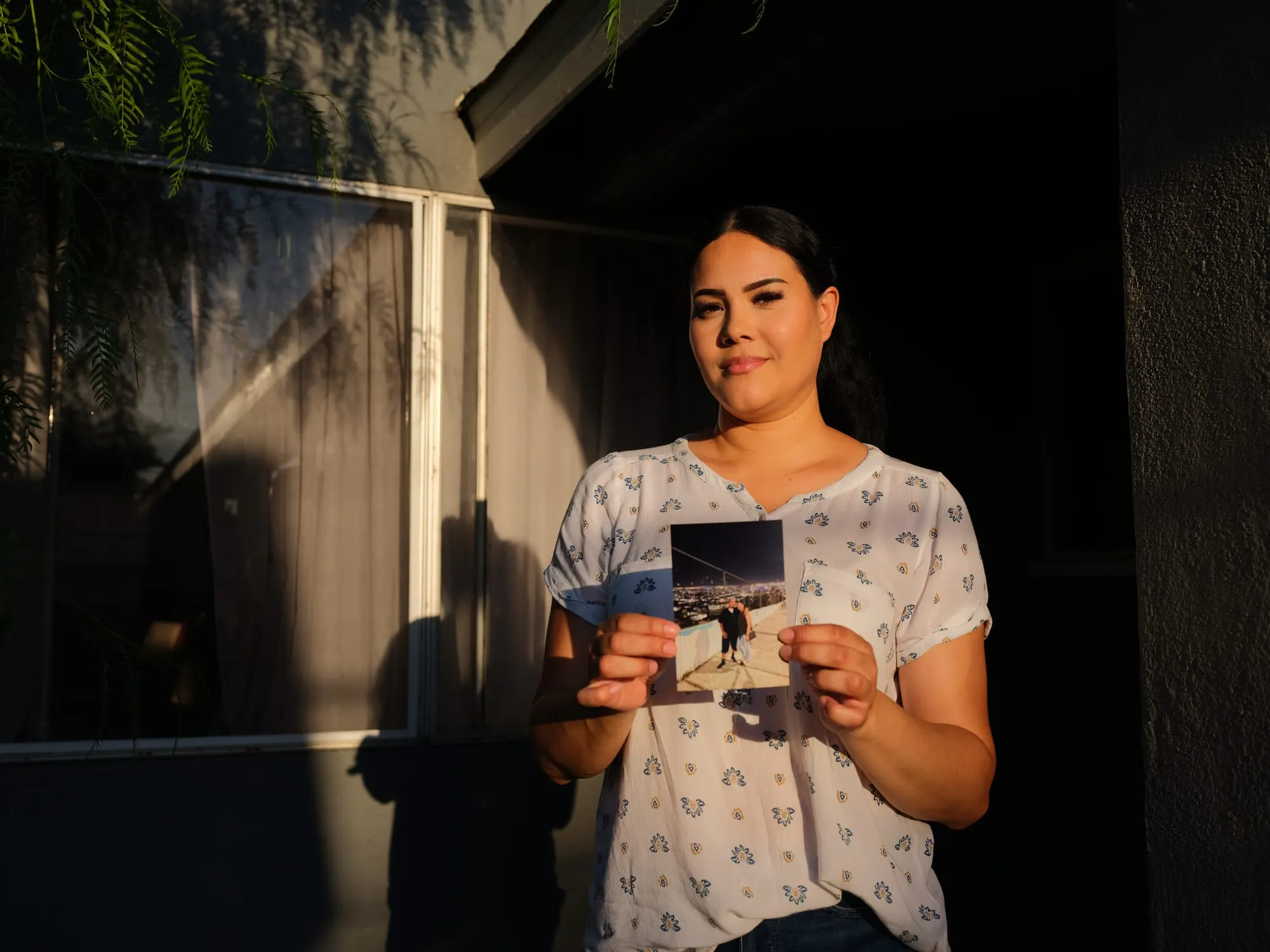

For months, a family celebration was carefully planned.
“We cleared our calendar for that day, no work, nothing but attending my daughter's 8th grade culmination,” Mayra Toscano said.
She and her husband, Miguel Lorenzana Marquez, also known as Mike, had plans to attend a ceremony marking their oldest daughter’s completion of junior high, alongside their other children. The young couple wanted to make sure she received all the attention she deserved for reaching this milestone.
With ICE raids and fires raging throughout the Southland, this small family in Bell Gardens was looking forward to a day of celebration on June 9, 2026.
But a few days before graduation, Lorenzana received a call from his immigration attorney informing him he had an appointment with the United States Citizenship and Immigration Services (USCIS) scheduled for 9 a.m. on the same day.
“He told our daughter, ‘I’m sorry, baby, I prolly [sic] won’t be able to make it. This is really important. But I will try to be there early to try to make it to the graduation,’” Toscano said.
Instead of going out for a family meal afterward like they had planned, Lorenzana never returned home.
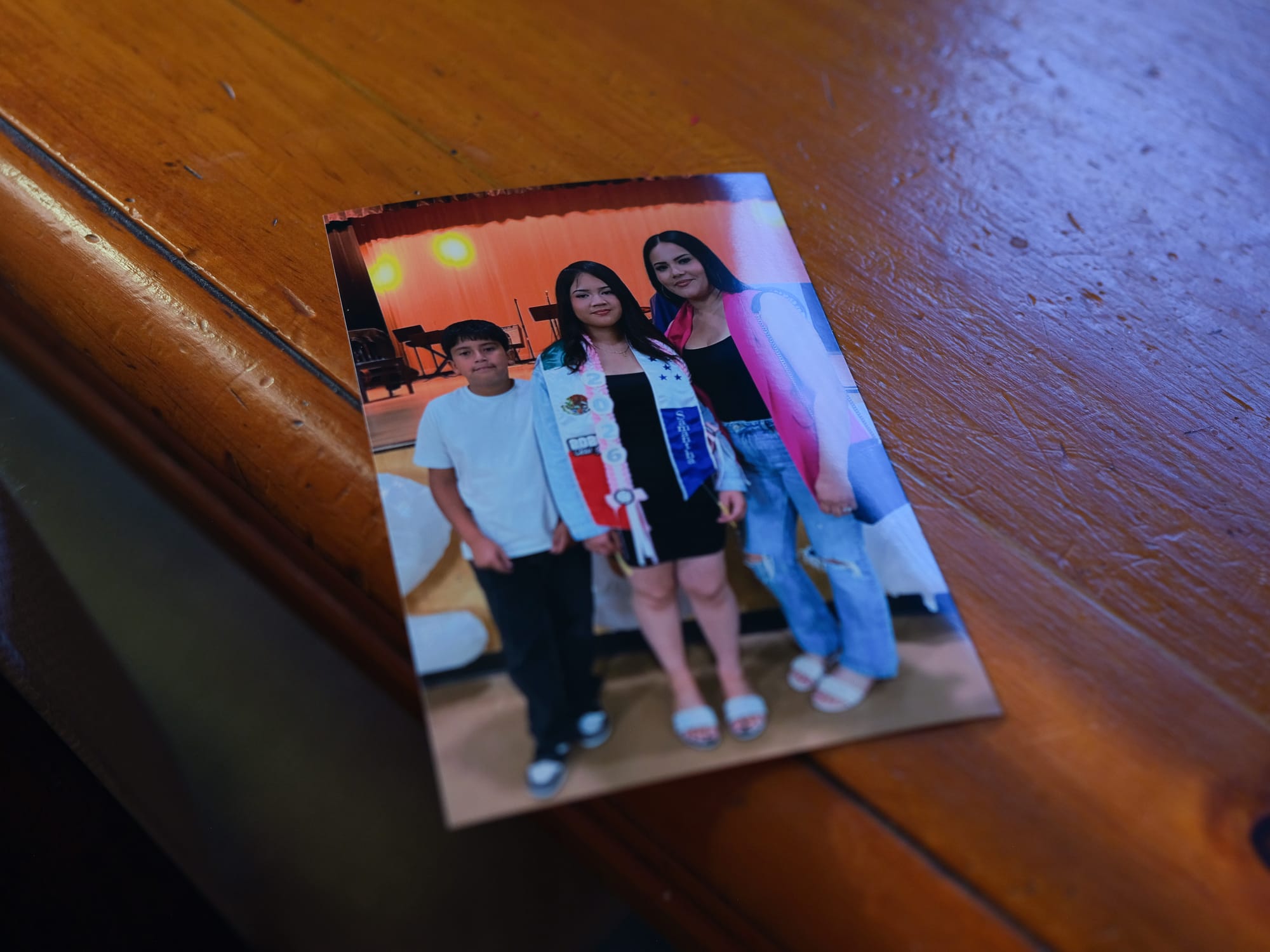
For Lorenzana, the decision to attend the immigration check-in appointment carried a lot of weight since a no-show could hurt his application status. At the same time, the news cycle was full of stories about people being arrested at their immigration appointments, leaving him with a brutal gut feeling that he could be next, Toscano told The Southlander.
“We talked about the appointment a lot and whether he should go or not, but he didn’t want to ruin or mess up his application because it looks bad if you don’t go,” Toscano said.
In the end, only his wife attended their daughter’s graduation, turning what was supposed to be a joyful day into one marked by fear and uncertainty.
The slow trauma
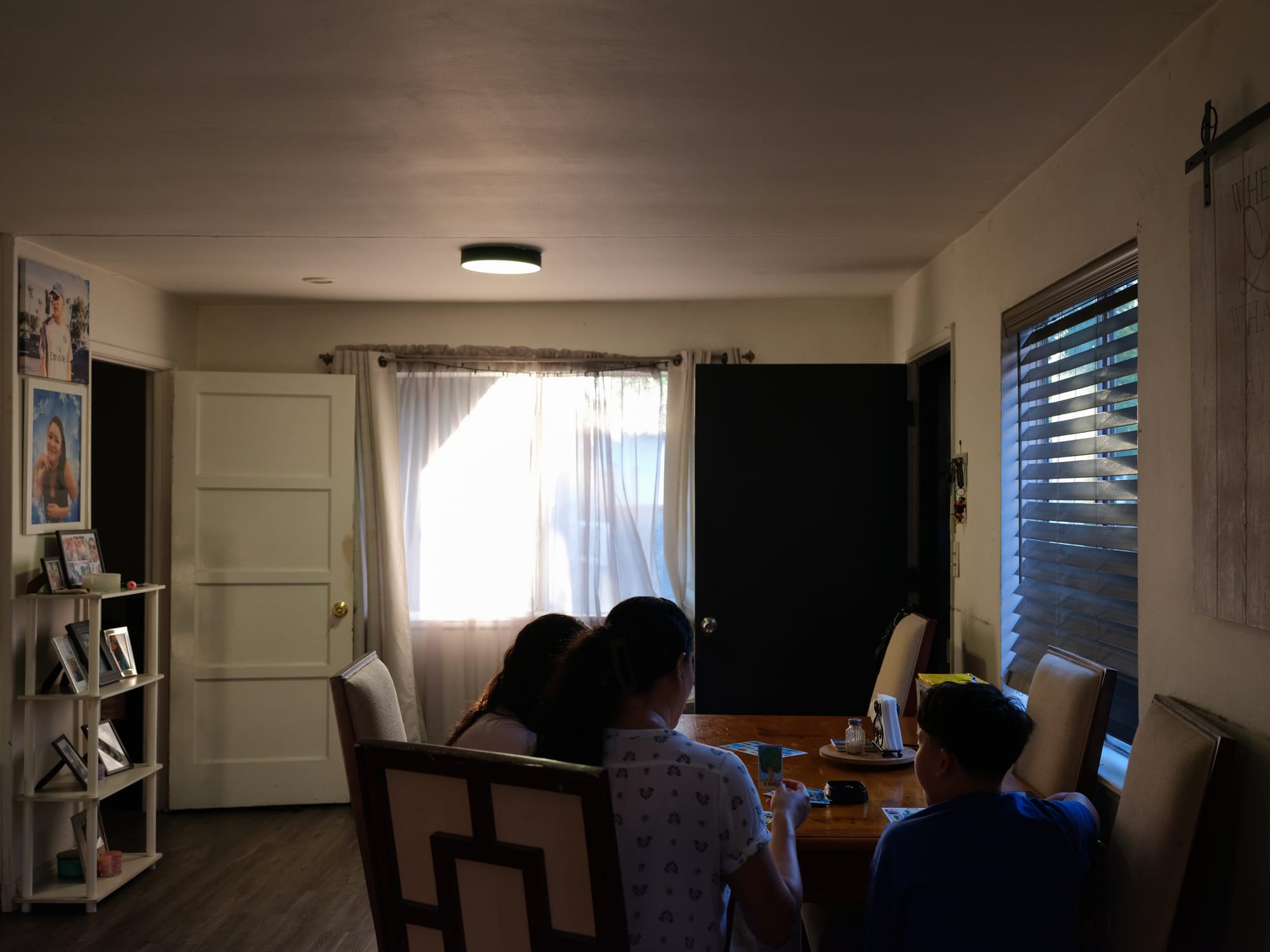
On June 9, Lorenzana and Toscano got up early to get everyone ready for the day. He would head to his appointment at the ICE office in downtown LA while the rest of the family prepared for the graduation.
Shortly after checking in at his appointment, Lorenzana was detained by ICE agents, and no one from his family knew he had been taken and put behind bars. By 10 a.m., he was sitting with others at the Metropolitan Detention Center, not knowing what was coming next.
“I was at my daughter’s graduation and sending him picture after picture. And I was like, ‘Why is he not receiving them? Because it was showing that they were not going through,” Toscano said. “I had a feeling something was wrong, but also wanted to stay positive and present for my kids.”
After the ceremony, Toscano received a call from an unknown number and immediately felt that something had gone wrong.
“I answered, and it was him. He told me he was arrested,” Toscano said. “I couldn’t control myself, and I couldn’t stop crying, but Mike kept telling me that everything was going to be okay and to calm down.”
Within hours, Lorenzana was taken to the Adelanto ICE Processing Center. On June 19, he was deported to Mexico, specifically Tulum, Quintana Roo. In the span of ten days, a family was ripped apart.
Lorenzana’s deportation to Tulum highlights a relatively new development with the Trump administration. In May, two ICE Air charter flights carrying 308 Mexican nationals arrived at Tulum International Airport.
“So they’ve been deporting people to the southern border because it is harder for them to come back up,” said Marissa Montes, the director and co-founder of the Loyola Immigrant Justice Clinic (LIJC).
In June, the Washington Office on Latin America (WOLA) published an analysis stating that the Trump administration has shifted away from returning deportees over the U.S.-Mexico border, opting to fly people deeper into Mexico. The analysis identifies Tulum, along with Mérida, Huatulco, Campeche, and Morelia, as cities that began receiving ICE flights.
All destinations listed in the WOLA report are part of Mexico’s southern region, with the exception of Morelia, which is around 193 miles west of Mexico City.
Since early 2025, immigration advocates and attorneys have become increasingly concerned that people who comply with court orders and attend scheduled immigration hearings are being detained after their appearances and later deported.
The number of these kinds of arrests began to rise after the Trump administration removed the federal policy that restricted ICE agents from conducting immigration enforcement at courthouses. In January 2025, the administration removed the “protected areas” or “sensitive locations” guidelines and replaced them with rules that give ICE greater discretion to make arrests in and around courthouses.
A questionable dragnet
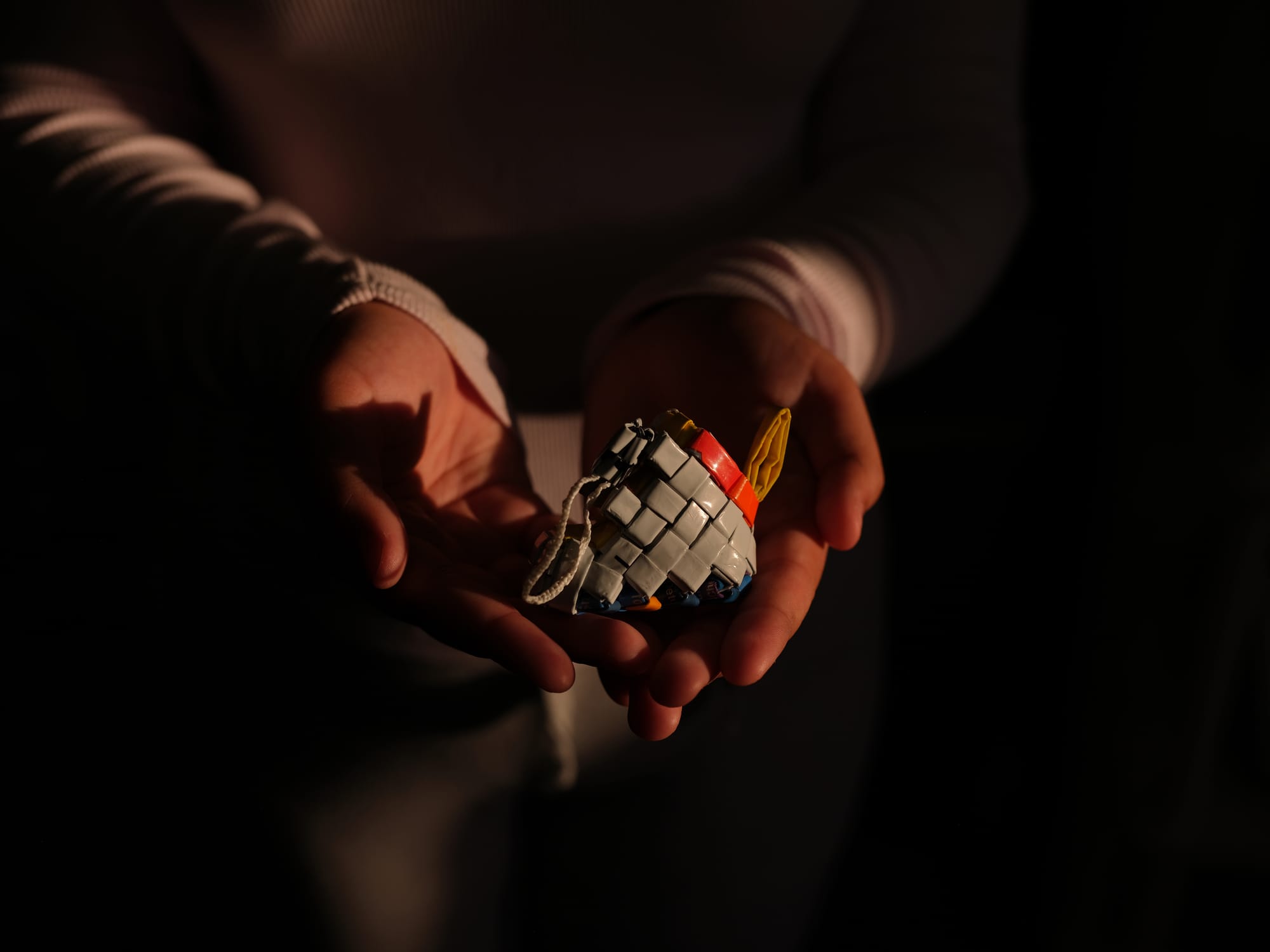
Lorenzana had lived in Los Angeles for practically his entire life. He arrived in the U.S. at 11 months old, when his mother decided to emigrate from Chihuahua, Mexico.
He had attempted to apply for citizenship right before the COVID-19 pandemic, and, like millions of others, the shutdown delayed his application. In the last few years, Lorenzana has been working with an immigration attorney to obtain citizenship.
LA is his home and where he raised his family. It is also a hotbed of ICE activity, putting Lorenzana directly in the dragnet of their expanded operations at immigration courthouses.
Although there is no official number of how many people in Los Angeles have been taken at their immigration appointments, what we do know is that, under Trump’s second term, “ICE arrests more than quadrupled (4.4x). ICE transfers from jails and prisons, which accounted for most ICE arrests before 2025, roughly doubled. ICE street arrests went up by a factor of eleven — including not only arrests in neighborhoods, but also immigration court and at ICE field offices during regular check-ins,” according to the Deportation Data Project, which was created by academics and lawyers at UC Berkeley and UCLA who want to see more transparency around immigration enforcement data.
“It is happening pretty regularly. People need to understand that when going to an ICE check-in, they should be prepared for possible detention. So having your paperwork lined up and making sure people know you are going to an appointment so they know about your whereabouts,” Montes said.
According to family members and friends, Lorenzana had attended prior immigration court hearings and complied with all requirements of his naturalization process. He filed his taxes on time every year and worked as a truck driver at the American Automobile Association (AAA).
“He never got in trouble with the law. He did everything for our family,” Toscano said, holding back tears and speaking in a low voice so her children wouldn’t hear her cry. “When I found out he was taken, my heart fell. A sense of helplessness took over, and I couldn’t stop crying.”
After receiving the news that her husband had been detained, Toscano had to compose herself and tell her children that their dad had been taken by ICE.
“My youngest son came up to me when we got home and said, ‘Mom, I will take care of you and be the man of the house,’” Toscano said.
She’s spent the last month and a half trying to adjust to a new life, looking for work to cover the bills, raising two kids, and meeting regularly with an attorney to see how, and if, she can bring her husband back.
The family launched a GoFundMe to help make ends meet. Additionally, she spends nights on the phone with him to stay in touch throughout this process.
Lorenzana now calls his wife from Chihuahua, Mexico, where he was deported and reunited with his mother, Aida Marquez. Having been deported herself several years earlier, Aida is now by her son’s side, helping him cope with the pain and challenges of being separated from his family.
“This deportation machine causes generational trauma to our people,” said Féi Iká Shumarí, an author, Lorenzana’s cousin, and family friend of Toscano. Shumarí is helping Toscano get through this difficult time by helping with the kids and visiting them at home to make sure they are okay, along with other family members and friends.
The resiliency of our immigrant community
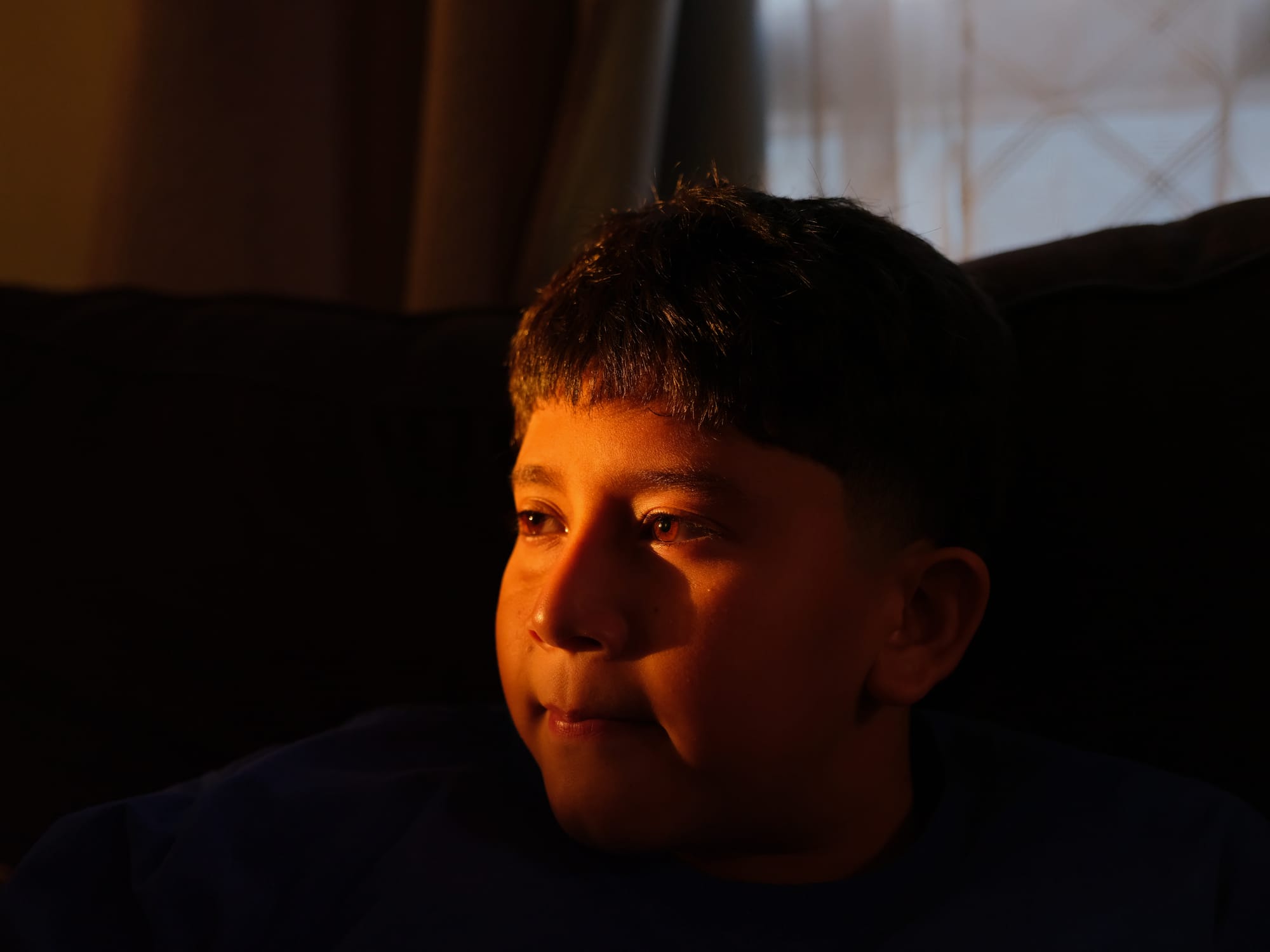
Since June 2025, when the Trump administration began its full-court press of raiding workplaces, schools, homes, and, like Lorenzana’s case, showing up to people’s ICE check-ins, community members and activists have come out in large numbers to protest against the policies targeting the most vulnerable from their communities.
For this Bell Gardens family, a day marked on their calendar as a celebration became a reminder of how quickly immigrant families can be fractured. Lorenzana attended his appointment with the hopes of being one step closer to being legal in the U.S. — the same day his daughter walked onto a stage at her graduation expecting to see the man who supported her every step of the way.
Lorenzana’s family didn’t expect that by dinner time they would be separated by steel doors and unanswered questions.
Reporter’s View: Mike’s story reminds me that Trump’s immigration policies echo the United States’ long history of racism, family separation, and discrimination against immigrants, from the formation of laws around citizenship to not fully honoring the Treaty of Guadalupe Hidalgo and the ‘undesirable’ countries and quota system. Families are torn apart. Children are left without a parent to get them through life. All for what? To feed the pockets of shareholders on Wall Street who profit from our misery and to maintain a system of racism. This family from Bell Gardens is not the only family dealing with the reality of family separation, but it offers an inside look at how this system tears us apart in moments that were meant to be joyful.
Edit on 8/13/2026 at 7:45a.m.: A date was fixed.
Edit on 8/13/2026 at 1:57 p.m.: Mike is referred as Lorenzana, not Marquez. Féi Iká Shumarí’s familial connection to Mike was added.